 The early morning dew drops highlighted this emerging Lady’s Mantle leaf. This was a gift of nature just waiting to be noticed. It was a beautiful morning!
Emerging: Early Morning Dew
Leave a reply
The early morning dew drops highlighted this emerging Lady’s Mantle leaf. This was a gift of nature just waiting to be noticed. It was a beautiful morning!
 Late afternoon sun provided the brilliant illumination of these emerging flowering plum leaves. The blossoms provide the background.
Below is different perspective of the blooms.

 The lesson that I was exploring as I took this image was from Tony Sweet: “Pick a background and put something interesting in front of it”. The late afternoon sun brilliantly lit up the new spring grass. The blossoms in the pear trees lining our driveway were in partial shade. Normally I try to pick dark backgrounds with light shining on the foreground subject. This time it was just the opposite. I kept a moderate aperture size to blur the background and keep the blossoms in acceptable focus.
 The emerging new growth of this Exbury Azalea surrounds and seems to protect the old growth from last year. I moved around to get the best position of the old growth between the towering new growth.
Post processing was also simple. I added a little contrast and structure to the leaves as well as darkened the background using NIK Viveza. As a final touch, I lightened the center and darkened the edges with NIK Color Efex Pro.
 Today is the First of May. It is time to appreciate the emerging Spring flora. For the next several posts, I will focus on the emerging buds and blossoms in our back yard. This image caught my eye as I walked by one of our Japanese Maples. It looked like the emerging leaves were wings ready to take off and fly.
For processing, I cropped the image to put the “wings” in the right perspective in relation to the edges. I slightly brightened the center and darkened the background to add a little pop to the leaves.
Attached is a blog entry from John Barclay which addresses seeing new things that you would not have shot before.
johnbarclayphotography.com | | Page 3.
By itself, the structure did not capture my interest. However when linked with other “waste” materials, it perked my curiosity. Here is my version. Just a different perspective.

My next couple of posts will include additional details of the outhouse as I worked the image.
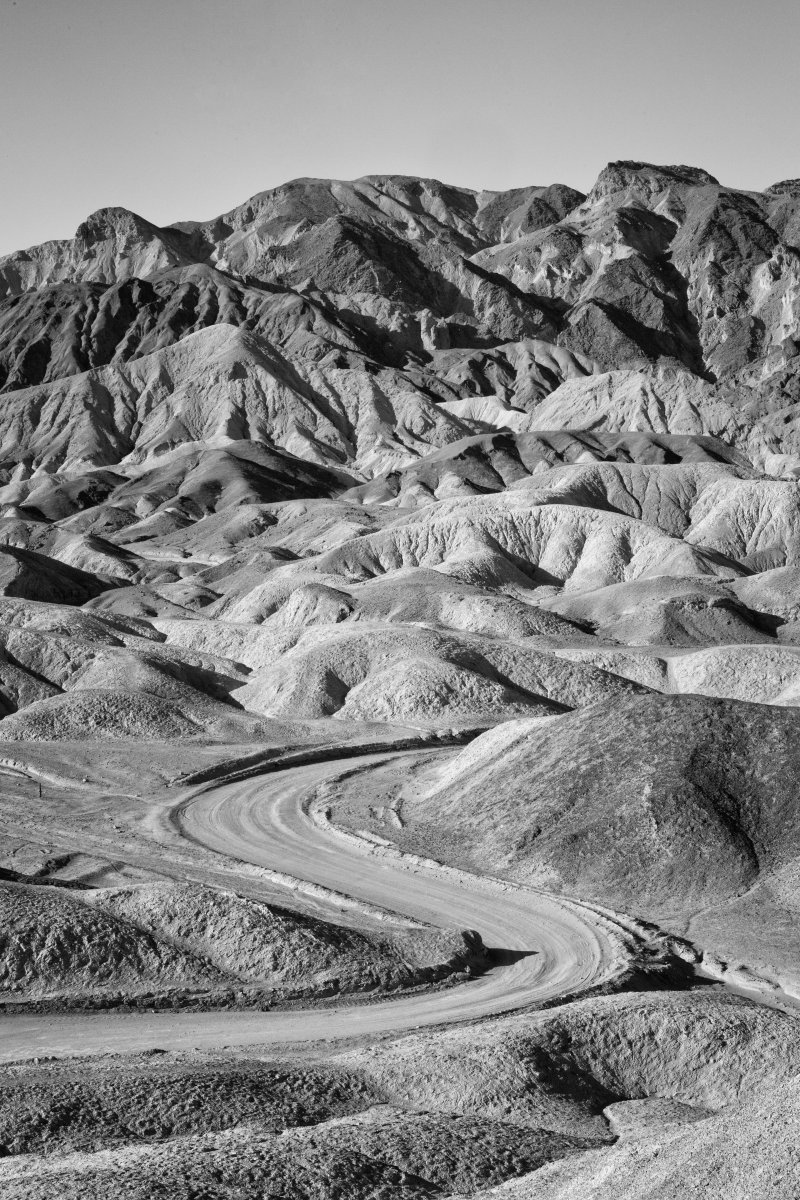
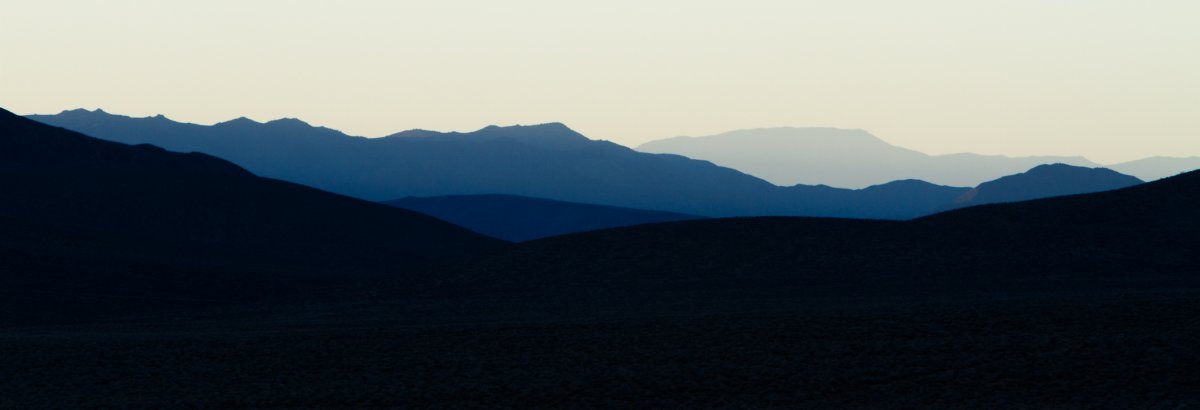
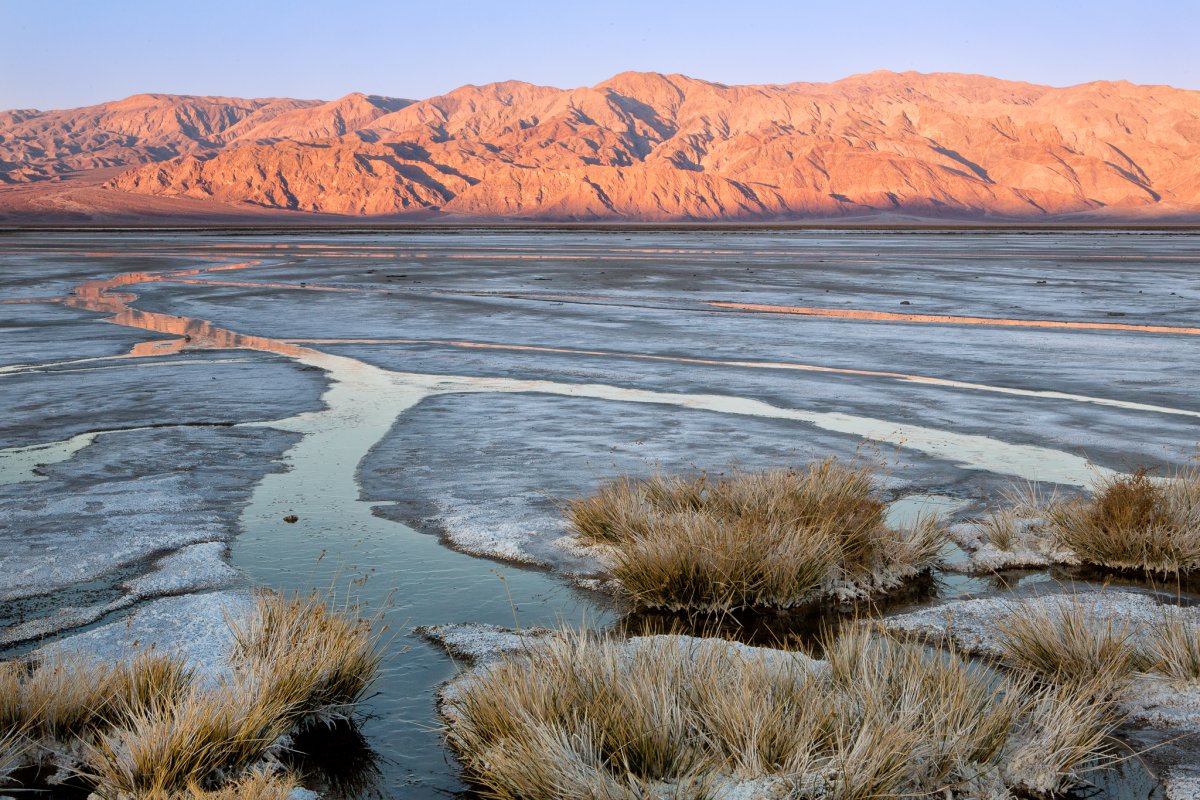
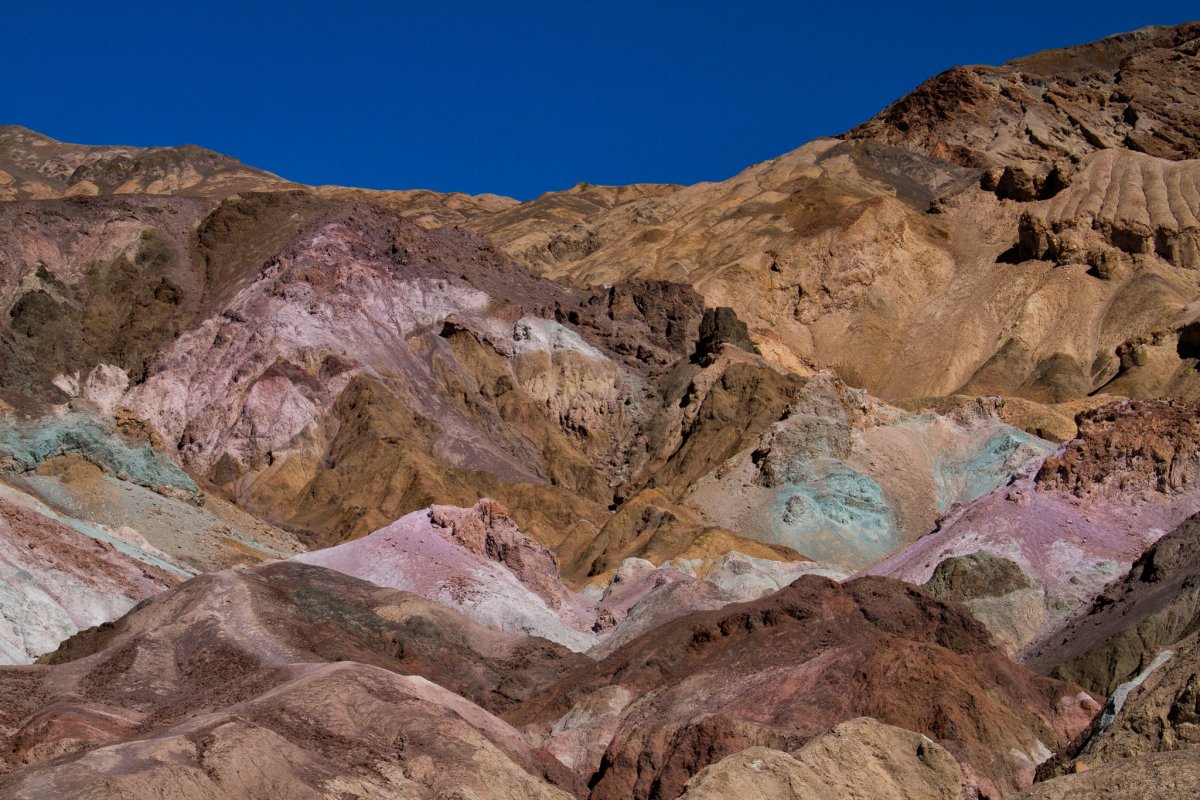
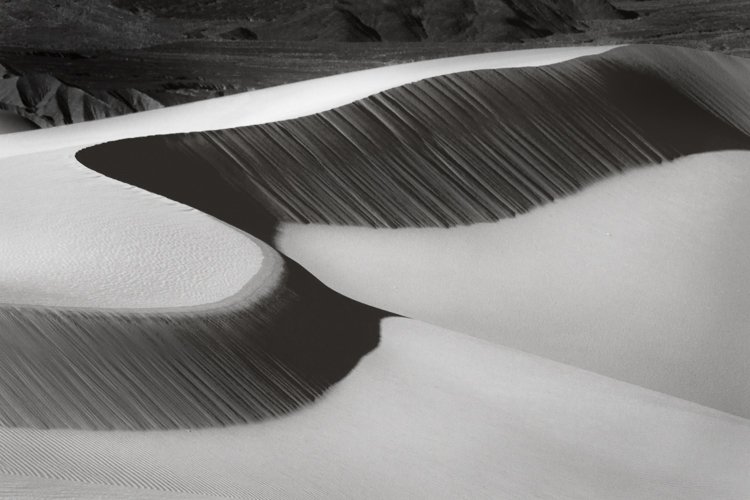

While walking back to the car after a long and productive day, I glanced up and saw the silhouette of multiple mountain ridges. A great way to end a great day.
As March is ending, this will be my last post on Death Valley … at least for a little while. The workshop gave me a much better understanding on what it takes to “see in Black and White”. John Barclay and Dan Sniffen put together a great workshop. Chuck Kimmerle provided a view into B&W photography that can’t be duplicated. The workshop participants included many great photographers on their own merits. My car pool mates, Arthur Ransome and Chuck Robinson are especially talented. I learned much from them as well. Thanks to all, leaders and participants, for making this a great workshop and experience!
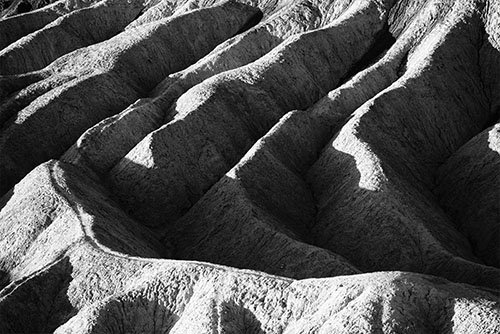
 I was looking for lines and shapes at Zabriskie Point. In the opposite direction of the point and in the shadows, I saw these repetitive V’s created by multiple ridges coming together. The sun had just started to hit the top of the ridge line on the right side of the image. The balance of the ridges were in a shadow from another ridge in the background. The overall image was very flat. Using processing techniques taught by Chuck Kimmerle in our workshop, I was able to pull out the shadows within the overall shadow. Thanks Chuck!
 I had just finished shooting a wide panorama of a range of interesting rock outcroppings. It was a “ho-hum” image of what was going through my mind. Right before I left, I looked down at my feet and saw this interesting remains of a struggling sagebrush. It reminds me of a continuous theme that I need to embed in my approach: Look around and let the images come to me.

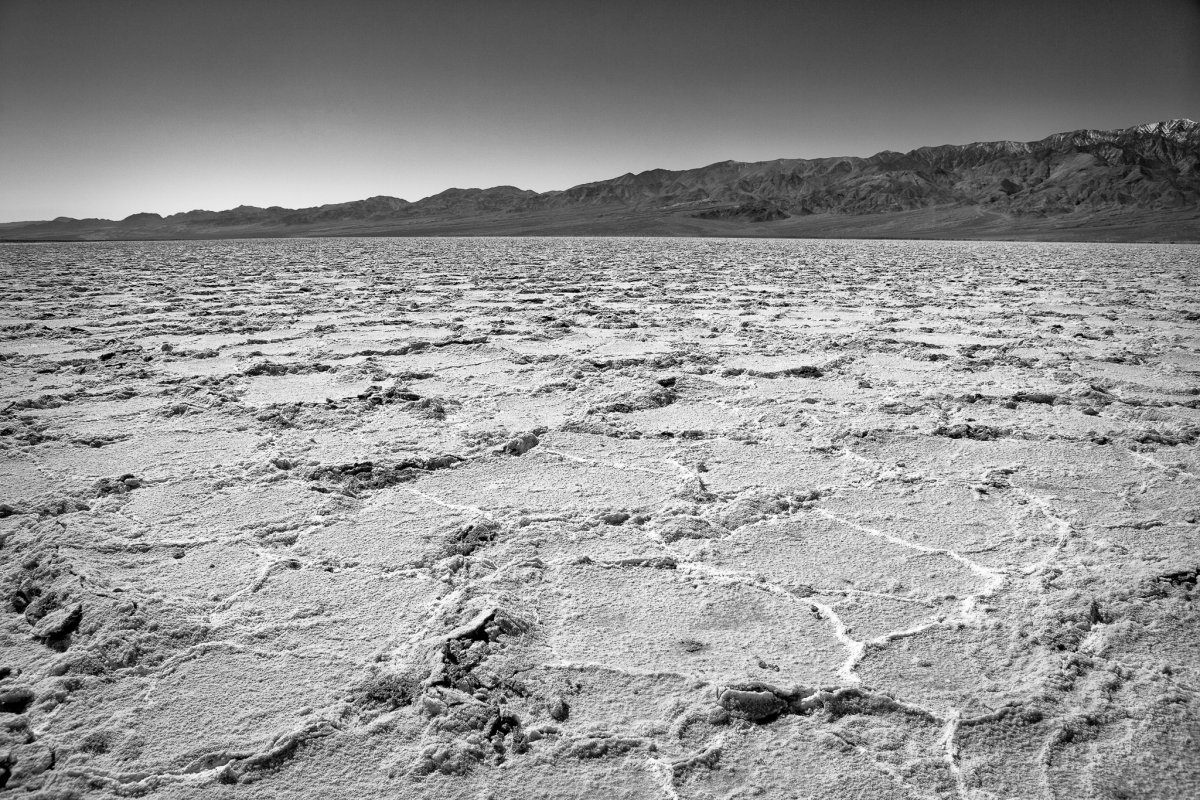
This was my original vision of Death Valley, pretty desolate. Badwater Basin, at 282 feet below Sea Level, it is pretty bleak. This image was taken about a mile in from the road. The salt/sand crust was pretty well broken up. The miles of salt flats gave me a very chilling feeling (even though it was over 80 degrees). Can you imagine what the first explorers thought when they came across this bleak landscape.